Since 2019, I have applied enterprise systems engineering, building digital models that inform decisions. I founded PYLIA in 2022 to pass on this expertise. Here are some situations where it has been put to use.

With PYLIA

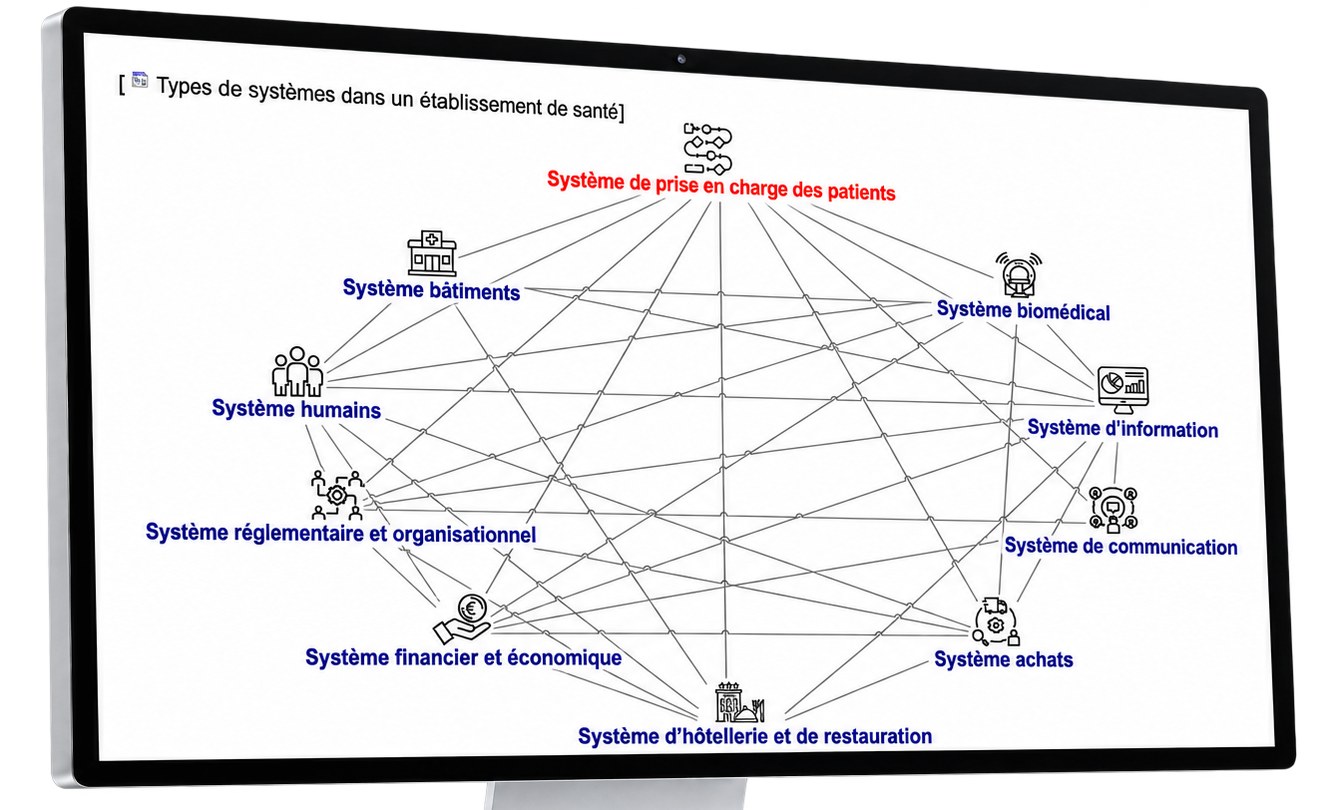
The systems of a healthcare facility and how they interact: patient care, buildings, information systems, purchasing, finance

Healthcare group

Setting priorities for purchasing, IT and AI

A clinic is an example of a very complex system of systems. A group of clinics and subsidiaries raises the level of complexity even further. After an overall analysis, PYLIA supported work on three priorities: the purchasing system, IT rationalisation and the integration of AI into targeted activities.
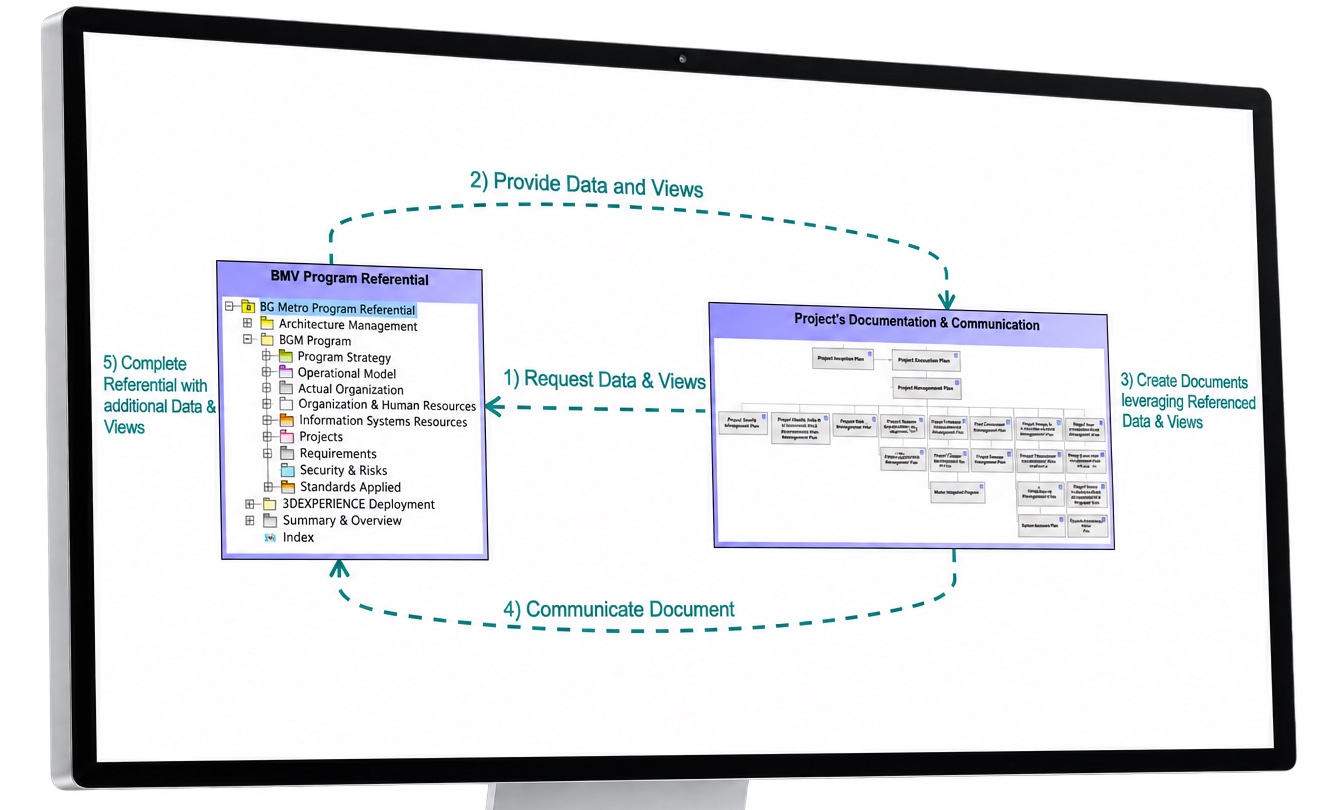
Model of a metro programme’s collaboration platform: programme repository and project documentation

Metro construction · International

Realigning the collaboration platform with strategy and operations

The deployment of the collaboration platform was running into serious difficulties. Over six months, PYLIA realigned the solution architecture with the strategy and operations, using an enterprise systems engineering approach. The platform is now operational.

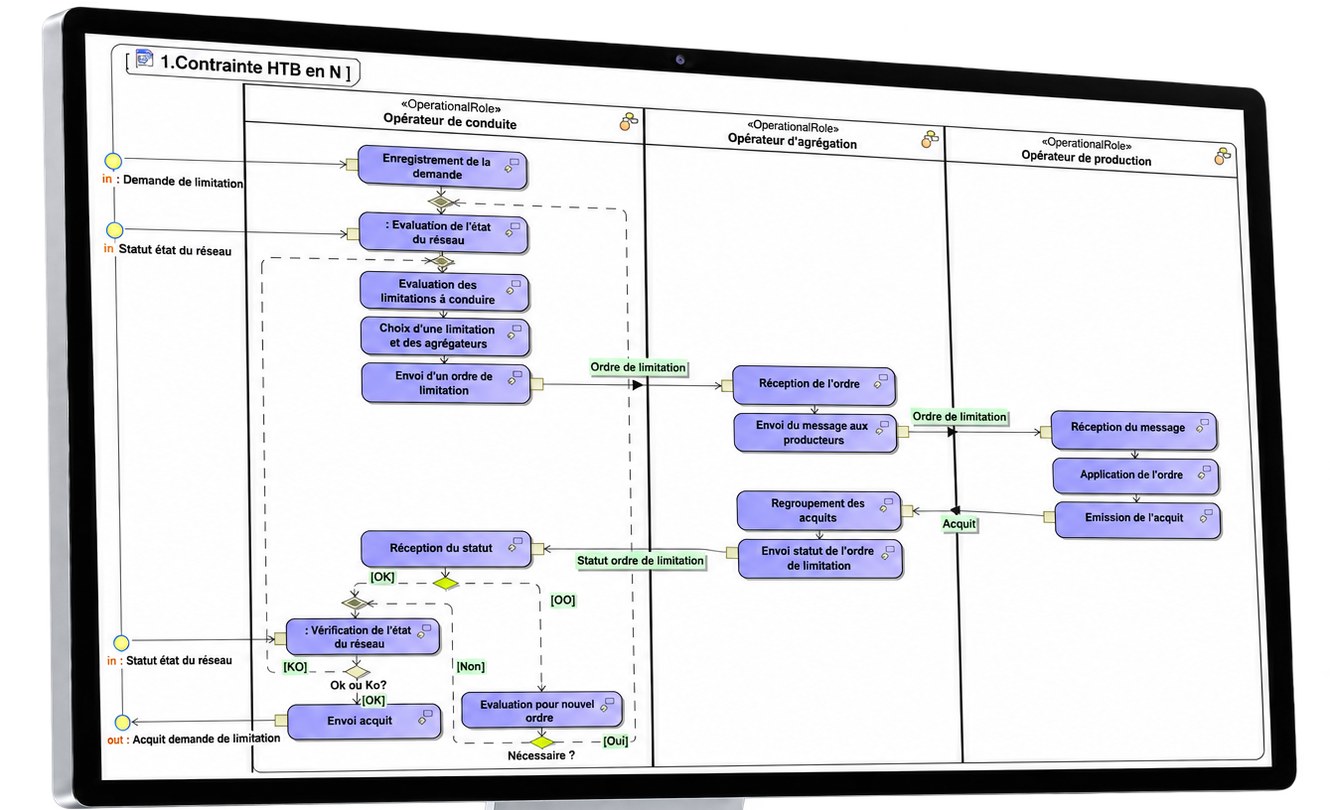
Model of a power grid operating process: limitation orders between control, aggregation and production operators

Electricity distribution

A pilot to analyse the system, then steer low voltage

Electricity distribution is also an example of a complex system of systems. PYLIA carried out a pilot: analyse the system as a whole, then apply that analysis to low-voltage steering.

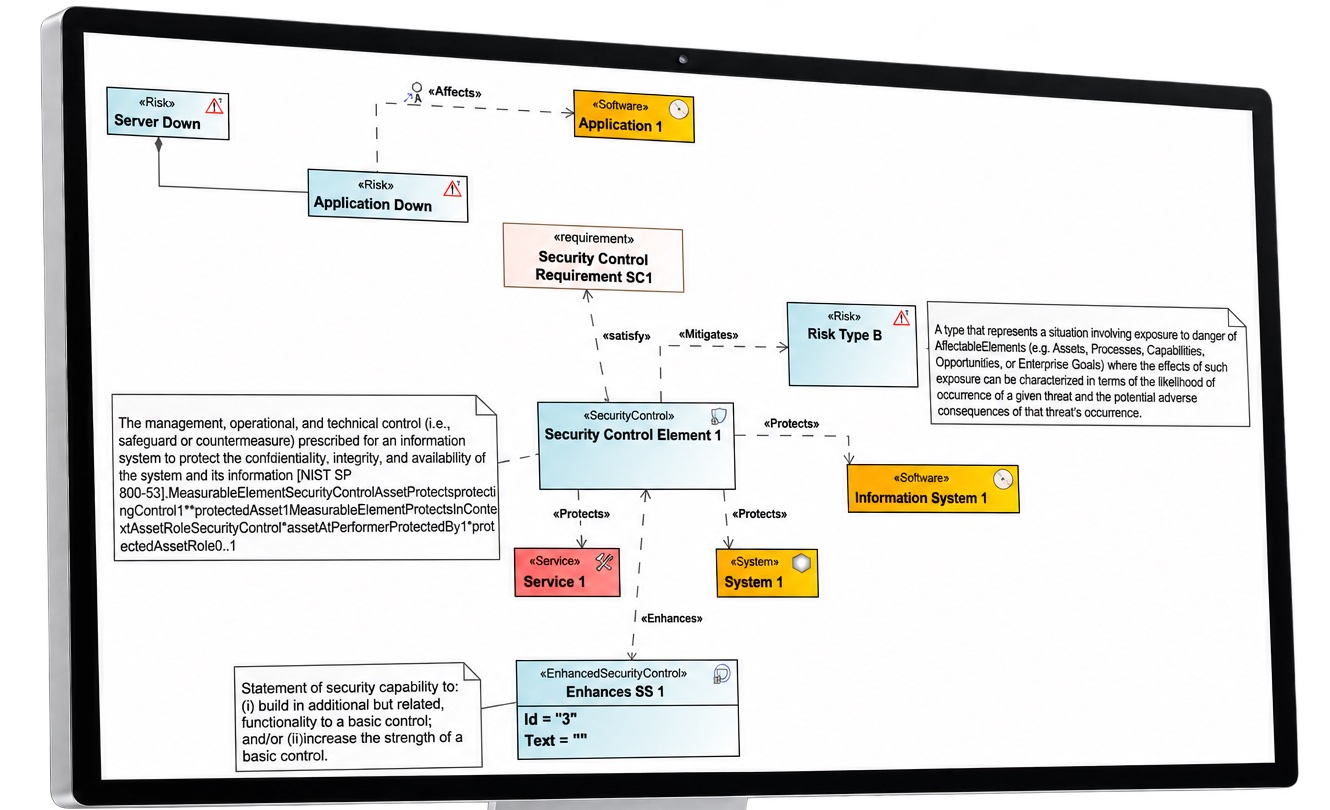
Operational resilience analysis model: risks, security controls, systems and services

Banking · International

Operational resilience of a bank

An international bank was struggling, with its usual methods, to define the disruption scenarios to examine and how to deal with them. PYLIA described and explained a method based on enterprise systems engineering, which an integrator then deployed.

Before PYLIA

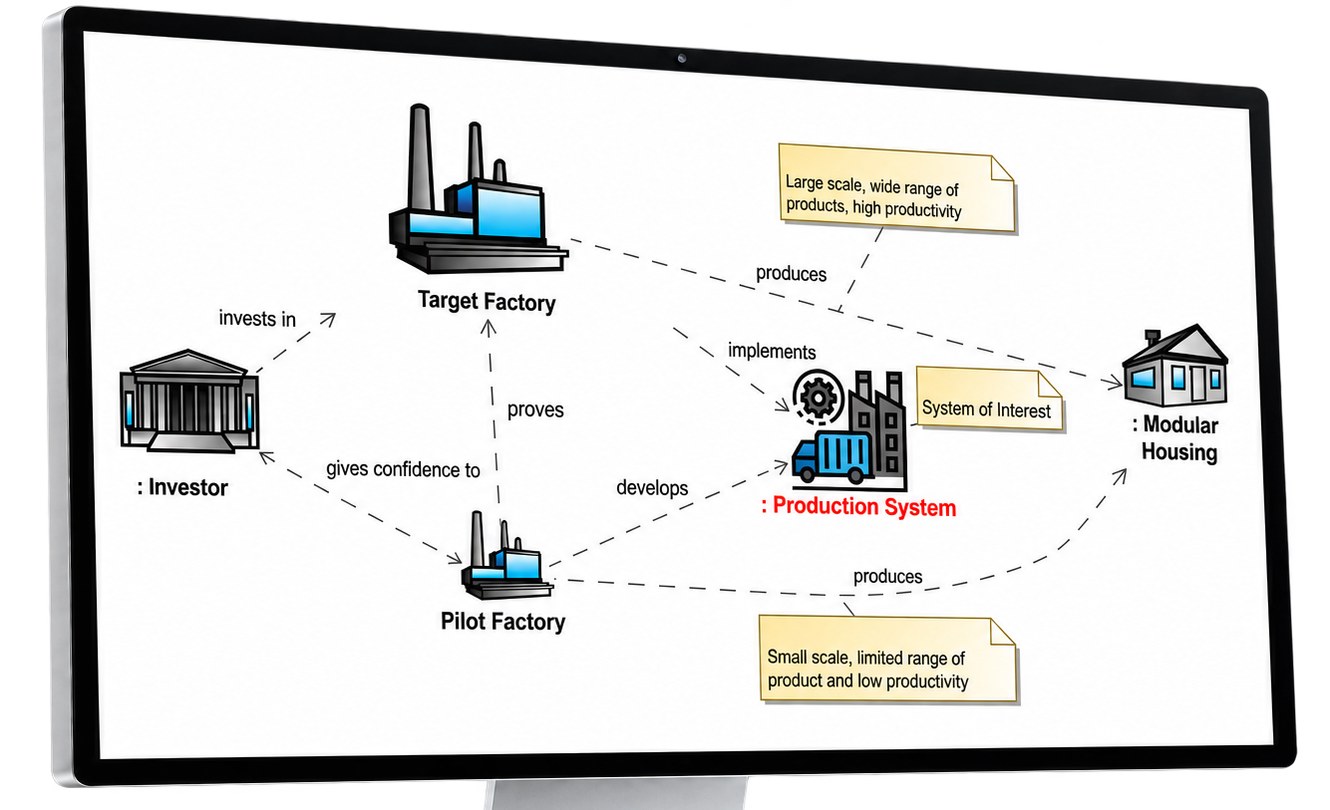
Model of a modular housing production system: investor, pilot factory and target factory

Modular construction · International

From centralised production to distributed assembly

This strategic project for senior management involved many experts, who had produced a large number of presentations. In three weeks, an enterprise systems engineering approach made it possible to bring the experts’ contributions together in a coherent, shared model, then to compare implementation scenarios by simulation to inform the choice.

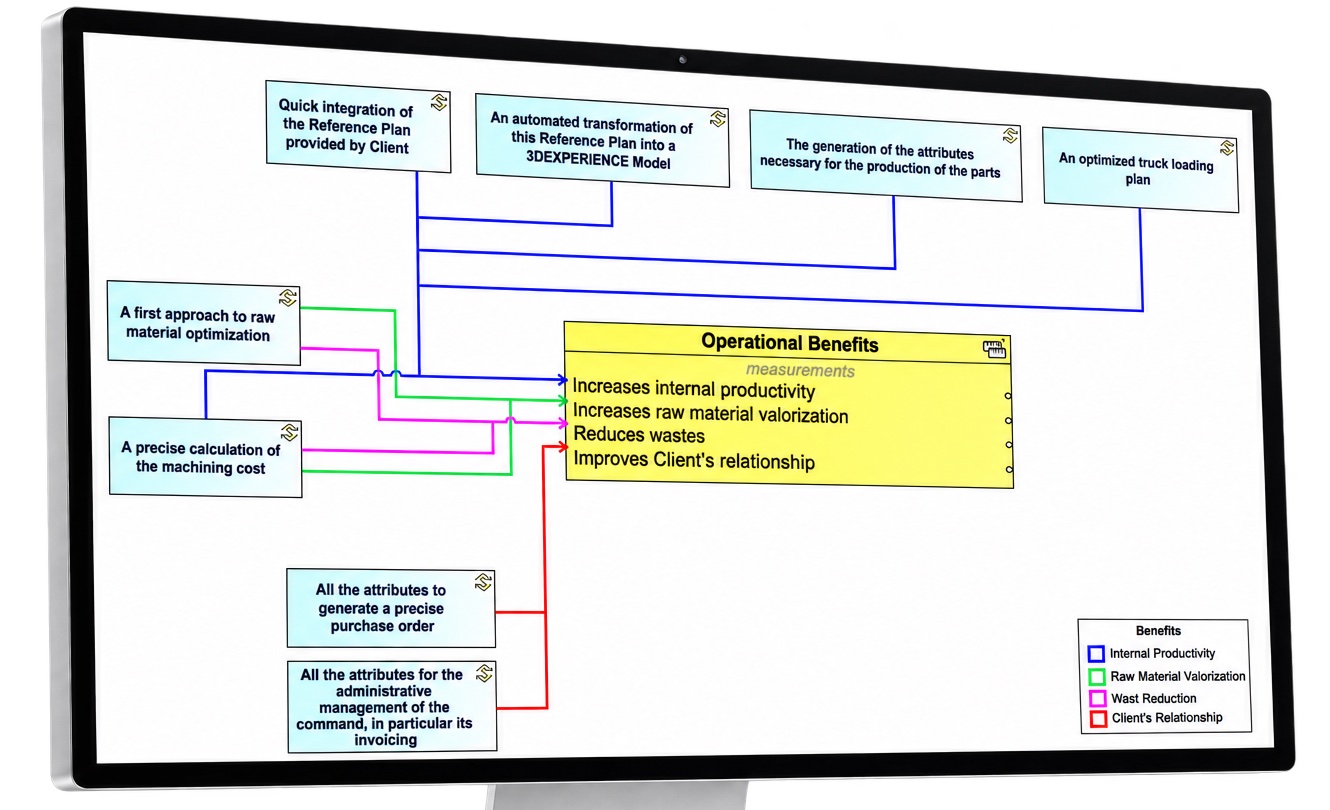
Model of the digital chain’s operational benefits: productivity, better use of raw materials, waste reduction, client relationship

Mid-sized industrial company · Wood sector

Innovation in timber construction

This project to overhaul the digital chain, from design to delivery, has become a European reference project in timber construction. In less than two weeks, an enterprise systems engineering approach aligned the solution with a new operating model and supported senior management’s strategy.

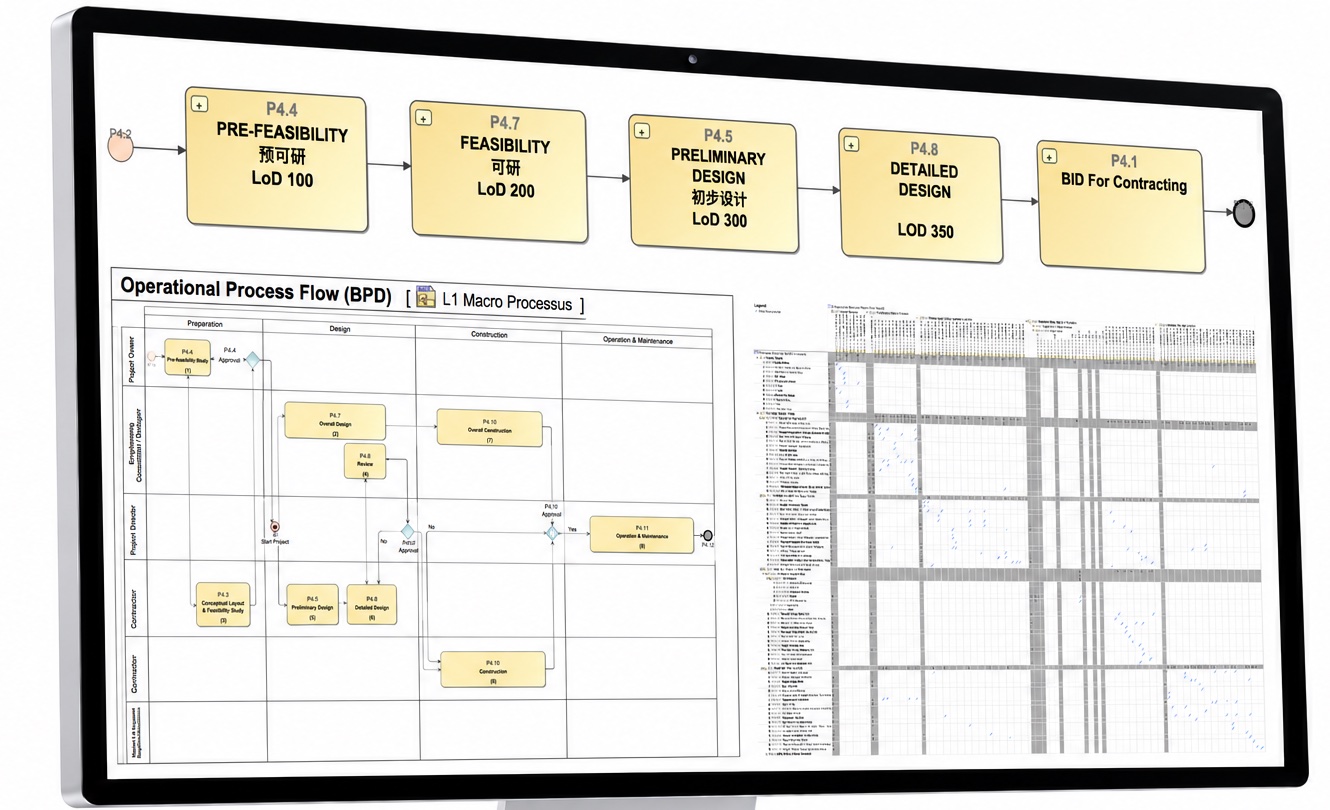
Operational model of a high-speed rail project: design phases, process flow and dependency matrix

High-speed rail design office · International

Operational model analysis to optimise the BIM platform

This design office was very advanced in its use of generative AI. In a three-day workshop, an enterprise systems engineering approach made it possible to analyse the organisation’s operating model in depth and to identify how its collaborative BIM platform should evolve.

Other projects Carried out in the automotive, construction, transport and nuclear power sectors.

Discuss your challenges →